NASCAR 26 Las Vegas Cup Setup Guide
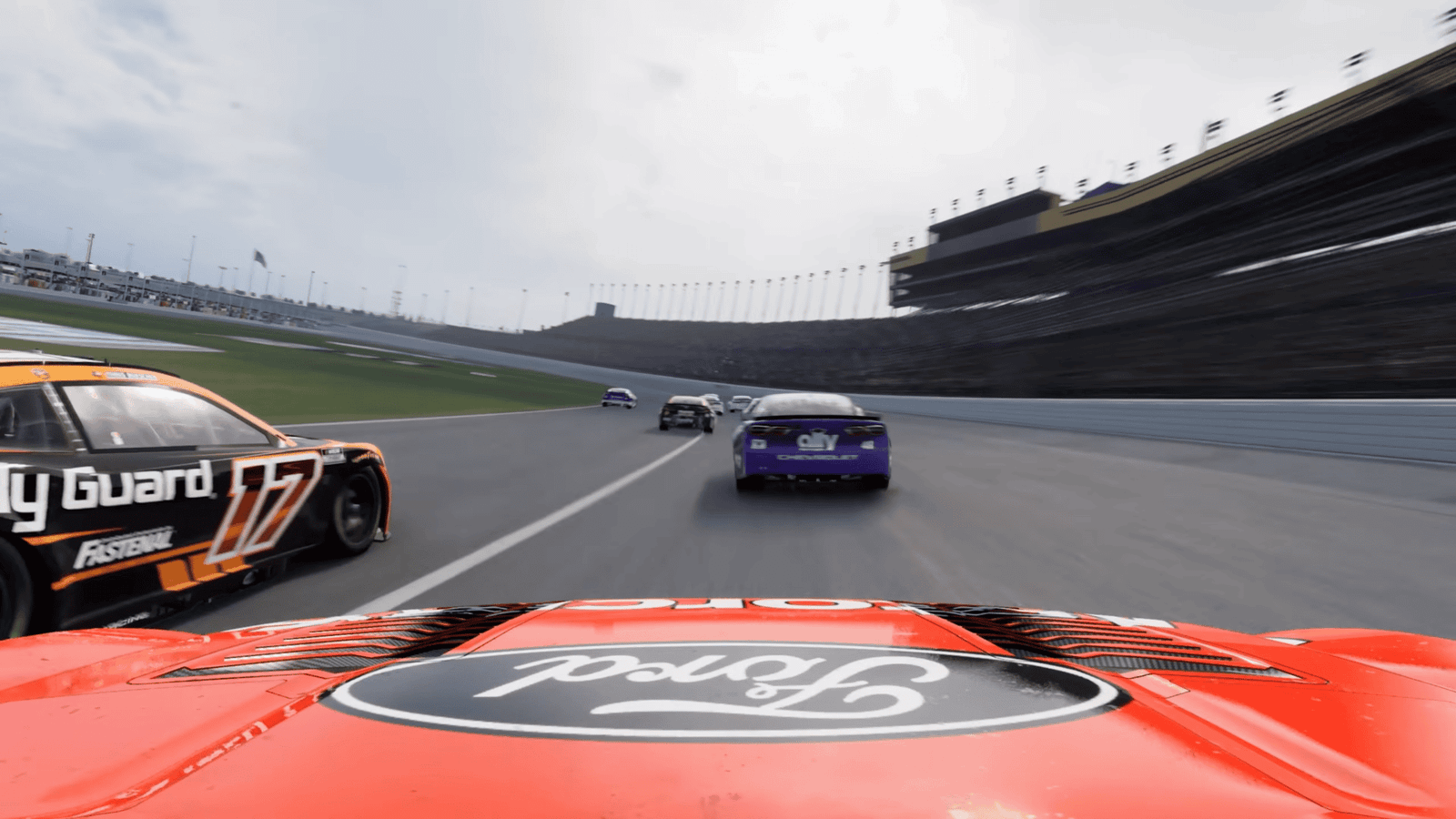
The Cup car at Las Vegas is a balanced weapon, but only if the setup is right. Here is how to set up the Cup Series car for Las Vegas in NASCAR 26, based on what the fastest setup shops are running.
Also See: NASCAR 26 Las Vegas Strategy Guide plus Team Conti Las Vegas Setups
Setup Philosophy for Las Vegas
Las Vegas is a balance track. Everything about the Cup setup balances straight-line speed against grip in the turns, because the 20-degree banking gives you grip but the long straights demand speed. A car that is perfect at Daytona will be loose and slow at Las Vegas, and a car that is perfect at a short track will be too draggy here.
The goal: a car that turns in, stays planted on exit, and is kind to its right side tires.
Key Adjustments
Grille tape: This is the biggest single adjustment. More tape means less air through the radiator and less drag, but it also means more heat. At Las Vegas, run enough tape to gain speed on the straights, but leave margin for cooling in traffic.
Gears: Las Vegas is about top speed on the straights. Gear the car so you reach maximum RPM at the start/finish line. If you are bouncing off the limiter early, gear taller. If you never reach top RPM, gear shorter.
Tire pressures: Higher pressures reduce rolling resistance. Run them higher than at a downforce track, but not so high that the car slides in the turns. The right side tires do the most work at Las Vegas, so watch them first.
Downforce (splitter and spoiler): Medium. Take angle out of the rear spoiler and splitter a step at a time, and stop as soon as the car gets loose on entry. Las Vegas needs grip in the turns, so do not strip downforce the way you would at Daytona.
Suspension: Stiff enough to keep the car off the splitter at speed, soft enough to ride the bump in Turn 2 without unsettling the car.
Race vs Qualifying
Qualifying setup: More tape, less downforce, aggressive gears. The engine only needs to survive two laps, so push everything for speed.
Race setup: Back the tape off for cooling in traffic. Soften the car a touch for tire wear, and prioritize stability over outright speed. A race setup that is fast on lap 5 and slow on lap 30 is not a race setup.
Free Setups
Do not start from scratch. Team Conti offers Las Vegas race and qualifying setups for all four series as part of their NASCAR 26 lineup, and Aries Motorsports (AMS) has a free Las Vegas setup video you can follow. AMS notes that their Las Vegas setup is loose, especially on the bottom, and if it is too loose for you, increase the wedge or reduce the right rear spring.
Premier Racing Setups also sells a Las Vegas Cup setup for $5, built by Liam Brotherton, with one race setup and a free adjustment sheet.
Adjusting to Feel
If the car is too loose (rear slides on entry or exit): add rear spoiler angle, soften rear springs, increase the wedge, or reduce the right rear spring.
If the car is too tight (will not turn in traffic): reduce front downforce, stiffen rear springs, or reduce the wedge.
If the car is slow on the straight: more tape, less spoiler, higher tire pressures, check gears.
Make one change at a time. Test it. Then change something else. That is how you build a Las Vegas setup that works for you.