NASCAR 26 Phoenix Strategy Guide
Phoenix is a strategy track. The Cup race runs 312 laps, which is long enough for pit calls to matter and short enough that one bad stop can end your day. Tire wear, track position and restarts decide the race more than raw speed. This guide covers the pit strategy, the tire calls and the race craft that win at Phoenix in NASCAR 26.
Also See: NASCAR 26 Phoenix Tips: 7 Ways to Win and NASCAR 26 Phoenix Cup Setup Guide.
Track Position Is Everything
At Phoenix, the car ahead can block the bottom lane and force you to spend your tires trying to pass. That means track position is worth more than fresh tires in the middle of a run. If you are running in the top five, protect your spot. Do not give it up for a small gain. If you are outside the top ten, you need a plan to move forward, and that plan usually starts with a pit call, not with a dive into Turn 1.
When to Pit
Pit when your tires start to fall off, not when the car feels perfect. At Phoenix, the right side tires wear first, and the car will start to push in Turns 1 and 2 when they go. If you wait too long, you will lose more time on track than you save by staying out. Watch for the lap where your times start to climb, and plan your stop for the lap before it. In a long green flag run, pitting a few laps early can put you in clean air while the cars ahead are still sliding on old tires.
Two Tires or Four
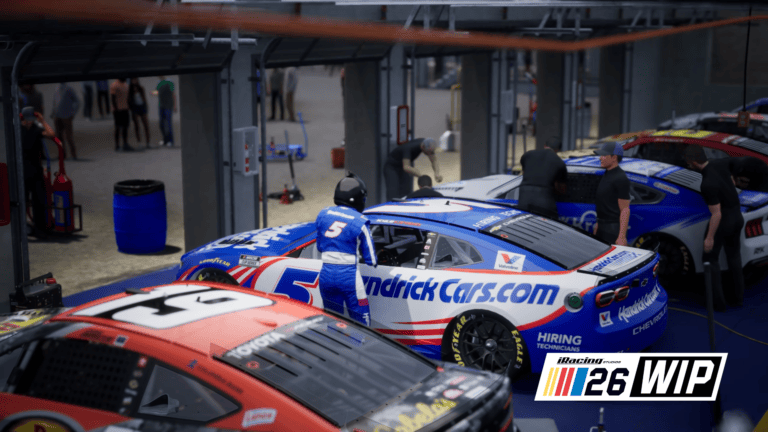
Four tires are the safe call at Phoenix. The track is flat and hard on tires, and two fresh tires will not fix a car that is loose on the other two. Take two tires only when track position is worth more than grip, such as late in the race when a caution has bunched the field and the restart will decide everything. Even then, be ready for the car to feel different for the first few laps.
Fuel and the Long Run
Fuel is rarely the limiting factor at Phoenix, because the pit window for tires comes first. That is good news. It means you can pit for tires without worrying about running short, and you can use your pit stops to adjust the car. If the car is tight, ask for an adjustment on the stop. A small change on pit road is worth more than ten laps of fighting a car that will not turn.
Restarts: The Race Within the Race
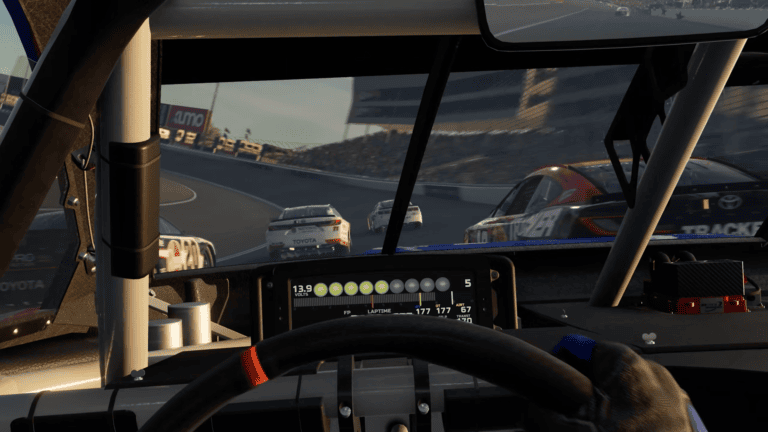
Most Phoenix races are decided on restarts. The leader controls the pace and the lane choice, and the cars behind have to react. If you are the leader, protect the bottom and get a clean launch. If you are behind, pick a lane early and commit to it. The middle lane is often the cleanest, because the bottom gets crowded and the top has to carry speed through the flat turns. One clean restart can gain you five spots. One messy restart can cost you ten.
The Final Run
In the final run, everything changes. Tires matter less and track position matters more. Save a little tire in the middle of the race so you have grip when it counts, and be ready to be aggressive in the last twenty laps. Phoenix hosted the Cup Series championship finale from 2020 to 2025, and the races there were won by drivers who were patient for 290 laps and ruthless for the last 20. That is the formula. Be patient, keep the car clean, and be ready when the race comes to you.