NASCAR 26 Phoenix Driving Guide
Phoenix is not a track you drive on instinct alone. The 1-mile dogleg oval in Avondale, Arizona, has two very different ends, a kink on the backstretch and flat banking that punishes late braking. This guide walks you through the racing line, the braking points and the restarts, corner by corner.
Also See: NASCAR 26 Phoenix Track Overview and NASCAR 26 Phoenix Cup Setup Guide.
The Racing Line at Phoenix
Think of Phoenix as two tracks joined by two straights. Turns 1 and 2 are flat and tight, at 9 degrees of banking. Turns 3 and 4 are a little steeper at 11 degrees and let you carry more speed. The frontstretch is banked at 9 degrees and the backstretch at only 3 degrees, with a dogleg kink in the middle of it. Your line has to change at each end of the lap, and the drivers who accept that are the ones who go fast.
Braking: Where to Brake and How Hard
Braking is the skill that matters most at Phoenix. Brake in a straight line, then release the brake smoothly as you turn in. This is called trail braking, and it keeps the front tires loaded so the car turns. If you brake too late, the car will push up the track. If you release the brake too suddenly, the rear of the car will step out. Practice braking a little earlier than feels fast, and watch your exit speed climb.
Turns 1 and 2: The Flat End
Turns 1 and 2 are the hardest part of the lap. The banking is only 9 degrees, so the car has little help staying on the bottom. Slow the car down, turn in late, and aim for a late apex so you can get back to the throttle early on the exit. The bottom is the shortest way around, but the middle lane often gives you a better exit onto the backstretch.
Turns 3 and 4: The Fast End
Turns 3 and 4 let you carry more speed. The extra banking holds the car, so you can brake later and roll more speed through the middle of the corner. The key here is the exit. A clean exit from Turn 4 puts you on the frontstretch with speed, and that speed carries all the way into Turn 1. Sacrificing the entry to Turns 3 and 4 for a better exit is almost always worth it.
The Dogleg
The dogleg is the kink in the backstretch between Turns 2 and 3. Do not try to straighten it out. Let the car follow the shape of the track, stay smooth on the throttle, and use the dogleg to set up your braking for Turn 3. Drivers who fight the dogleg scrub speed and arrive at Turn 3 out of shape. Drivers who flow through it arrive with speed and options.
Restarts and Traffic
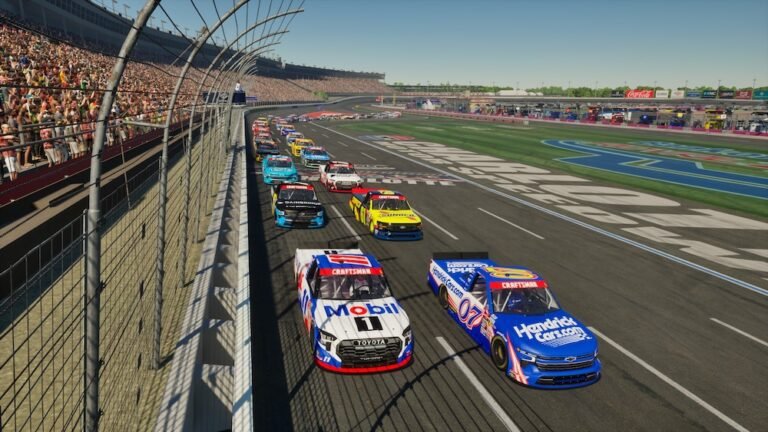
On restarts, the field packs up and every lane is a gamble. The bottom lane is shortest, the middle lane is often cleanest, and the top lane can work if you carry speed through Turns 1 and 2. Pick your lane before the green flag, commit to it, and do not change your mind in the middle of the corner. In traffic, be patient. Phoenix rewards the driver who waits one lap for a clean pass over the driver who forces a move and loses speed for both cars.
Putting a Lap Together
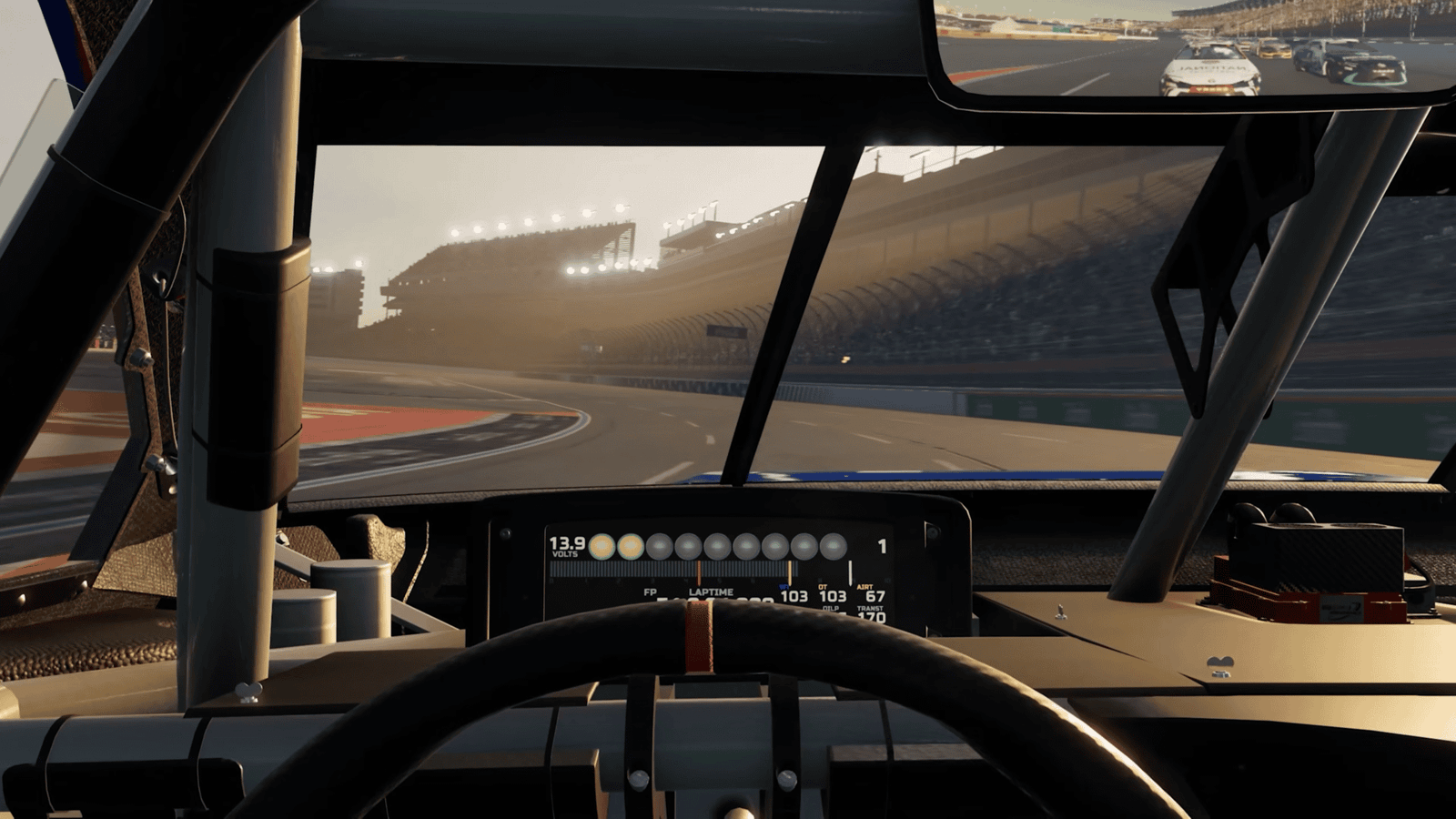
A fast Phoenix lap is a chain. Brake early and clean into Turn 1, get a strong exit onto the backstretch, flow through the dogleg, brake late but smooth into Turn 3, and carry your exit speed down the frontstretch. If one link in that chain is weak, the next corner pays for it. Run ten laps in practice with the same braking points and the same lines, and the lap times will come. Phoenix rewards repeatability more than bravery.