Short-Track Racecraft: How to Race Hard Without Wrecking
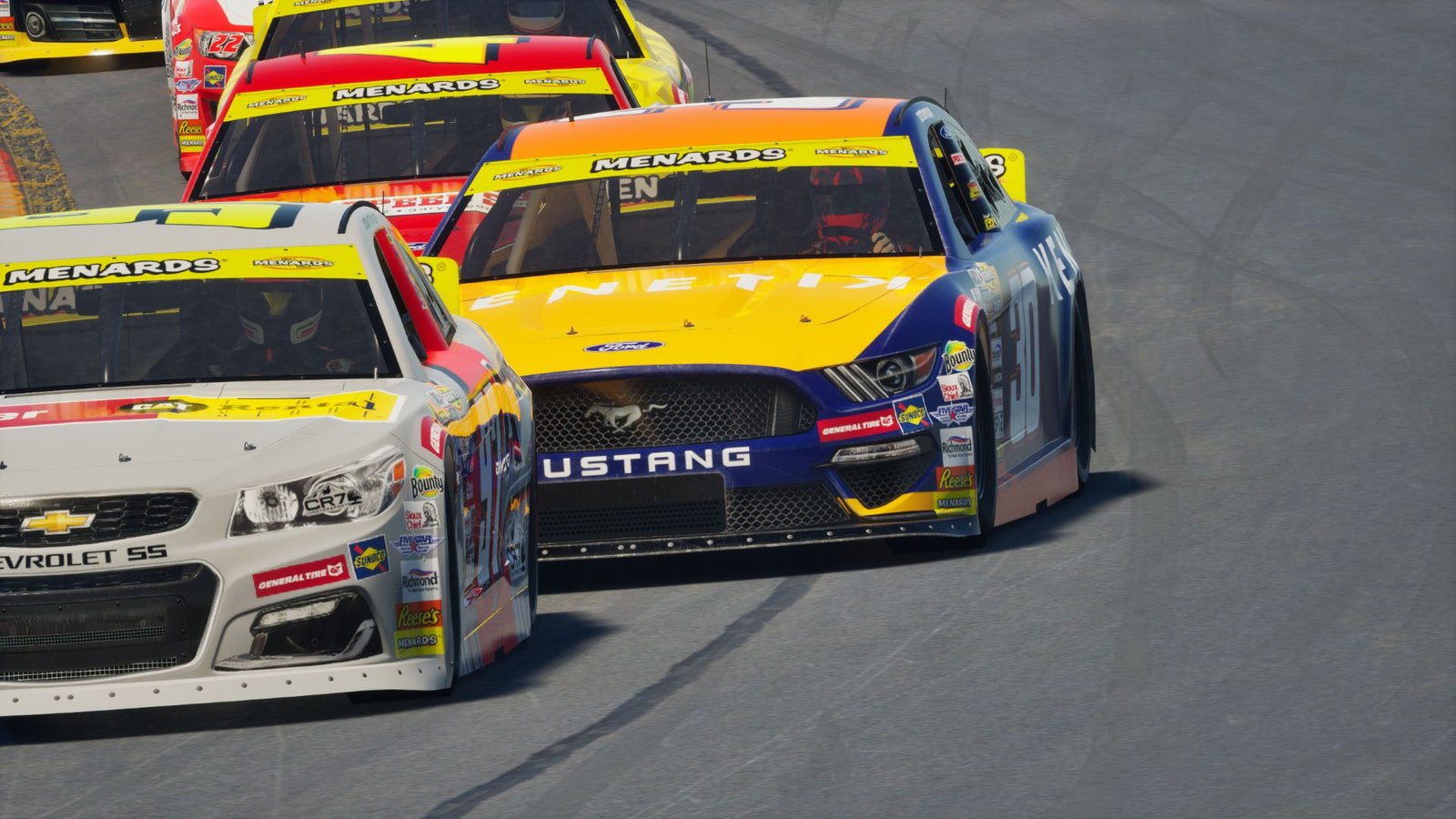
Short tracks in NASCAR 25 are a different game entirely. You’re running twenty percent closer to everything — the wall, other cars, the limit of grip — and the margin for error is almost nothing.
How to Build a Run and Set Up a Pass
How to Defend Position Without Losing the Next Corner
Faster and Safer Restarts in NASCAR 25
The first thing to reset is your expectations. You will get bumped. Someone will make contact. That’s not a failure, it’s short-track racing. The goal isn’t to have zero contact, it’s to have contact that doesn’t end your day.
Being loose at short tracks is more dangerous than being too tight. A loose car on a flat, narrow oval will spin into traffic. If your car is on the edge at Martinsville or Bristol, tighten it up slightly. A stable, slightly tight car is one you can trust in a crowd.
Line discipline matters more here than anywhere else. The bottom lane is king at most short tracks. Don’t drift up mid-corner or you’re handing the inside to whoever is behind you. Hold your line, hit your marks, and don’t let the car wander.
Braking is the most dangerous moment at short tracks. If you brake too deep, you’ll rear-end the car in front. If the car in front brakes early and you don’t, same result. Create enough following distance that you have room to react. It feels slow. It keeps your car in one piece.
Know when to give and when to take. If you’re side by side in a corner and neither of you is lifting, one of you is going into the wall. Real short-track racers know when to be patient and when to hold their ground. Take the outside lane if the inside is taken. Win it on the exit.
Short tracks reward consistency over a run far more than they reward outright speed. The cars that finish well at Bristol didn’t drive the hardest, they drove the smartest.