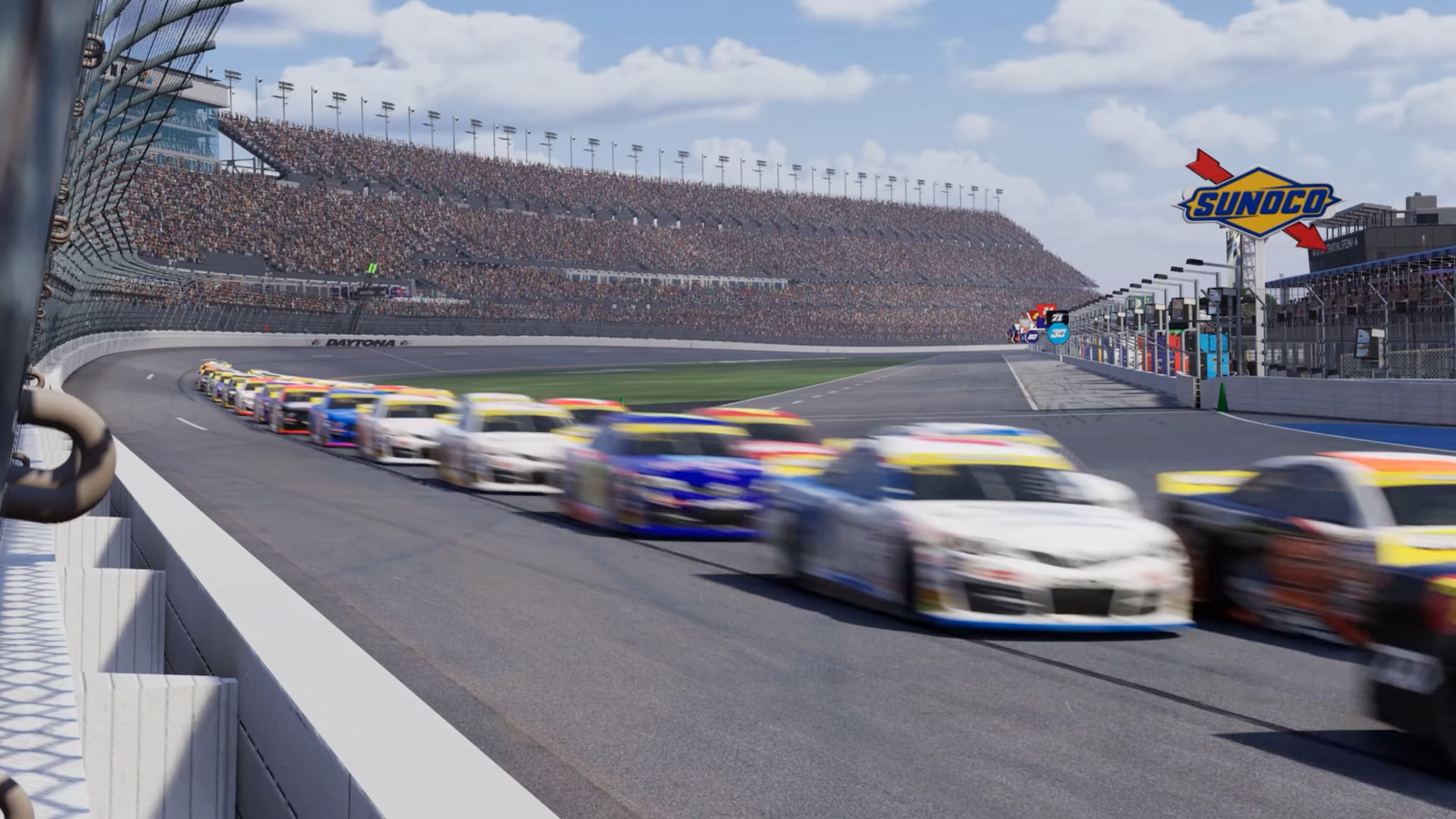
NASCAR 26 Daytona Lap Time Guide
Qualifying at Daytona is a different skill from racing there. No draft, no partners, just you and the clock. Here is how to squeeze every tenth out of a single lap in NASCAR 26.
Also See: NASCAR 26 Daytona Driving Guide, plus NASCAR 26 Daytona Setup (AMS)
How Daytona Qualifying Works
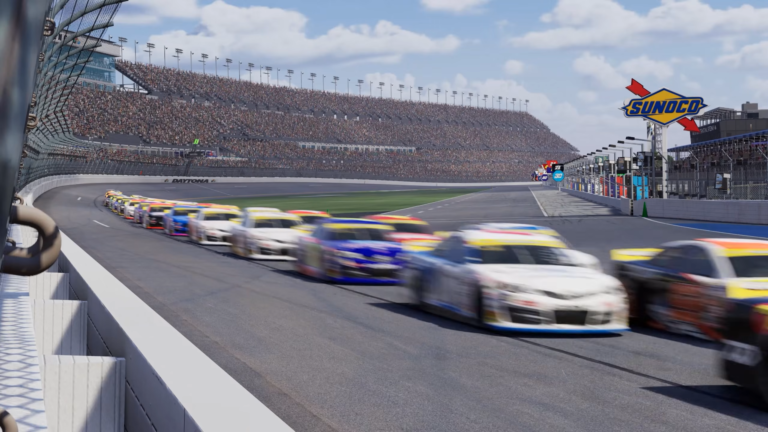
In NASCAR 26, Daytona qualifying is single-car, two laps, best lap counts. There is no draft to help you. Your lap time comes from three things: setup, line, and commitment. The track record in real life is over 210 mph. In the game, your speed depends on the series: Cup cars are fastest, ARCA cars slowest. But the technique is the same across all four.
The Line
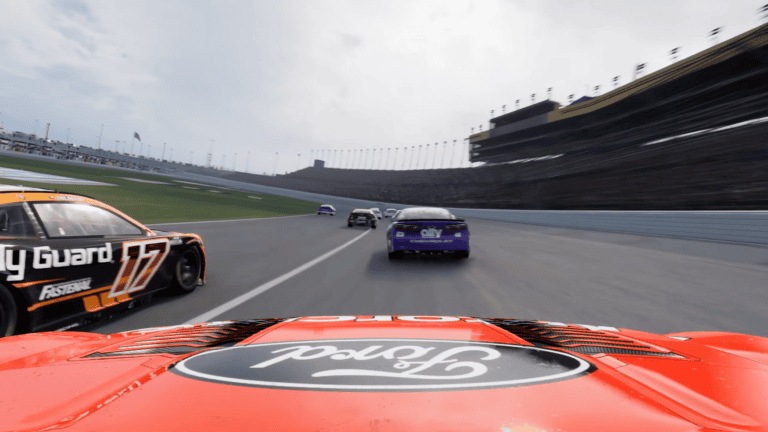
Turns 1 and 2: Enter low, let the car drift up to the middle by the exit. The banking does the work. Do not fight the wheel. If you enter too high, you scrub speed all the way through the turn.
Backstretch: Run as straight as possible. Any steering input costs speed. If the car is set up right, you barely touch the wheel.
Turns 3 and 4: Same as 1 and 2, but the exit matters more because it leads onto the long frontstretch. A good exit here is worth two tenths. Enter low, apex late, and let the car run up to the wall on exit. Do not lift.
Tri-oval: The kink in the frontstretch is not a turn at race speed, but in qualifying every bit counts. Stay low through the tri-oval to shorten the distance. Do not swing wide.
Setup for Speed
For qualifying, you want minimum drag and maximum straight-line speed.
Tape: Run as much grille tape as the engine temps allow. More tape equals less drag equals more speed. Watch the water temp gauge. If it climbs into the red, back the tape off.
Tire pressures: Lower pressures give more grip but more rolling resistance. For a two-lap qualifying run, prioritize speed over grip.
Gears: You want to hit top RPM right at the start/finish line. If you are bouncing off the rev limiter early, add gear. If you never reach max RPM, take gear out.
Downforce: Minimum. Daytona qualifying is about drag reduction, not cornering grip. The banking handles the turns.
Common Mistakes
Overdriving the entry. Turning in too aggressively scrubs speed. Be smooth. The fast lap feels slow.
Lifting. In Cup cars, you should not lift anywhere. If you are lifting, the setup is too tight or you are entering too high. Fix the setup before you change your driving.
Ignoring the wind. If NASCAR 26 models wind (check the session settings), a headwind on the backstretch costs time. There is nothing you can do about it except be aware that your lap might vary.
Putting It Together
A great Daytona qualifying lap feels uneventful. Smooth entries, minimal steering, no lifting, and the car just rolls. If it feels dramatic, it is slow. Practice the line until it is boring, then add speed with setup. That is how you qualify up front.