NASCAR 26 Graphics Leap: What’s New and Different
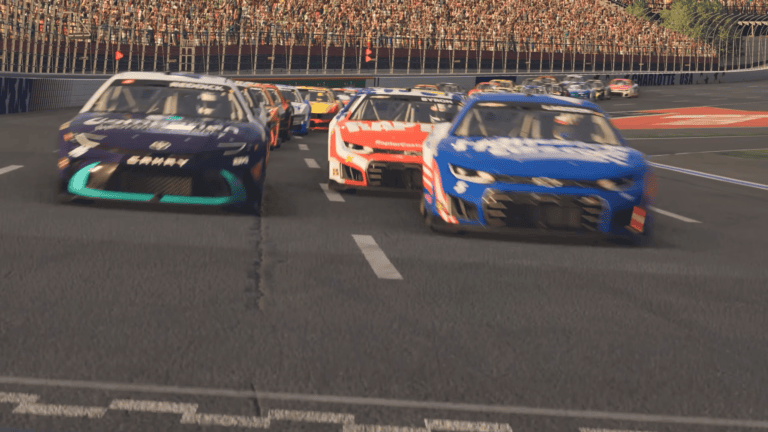
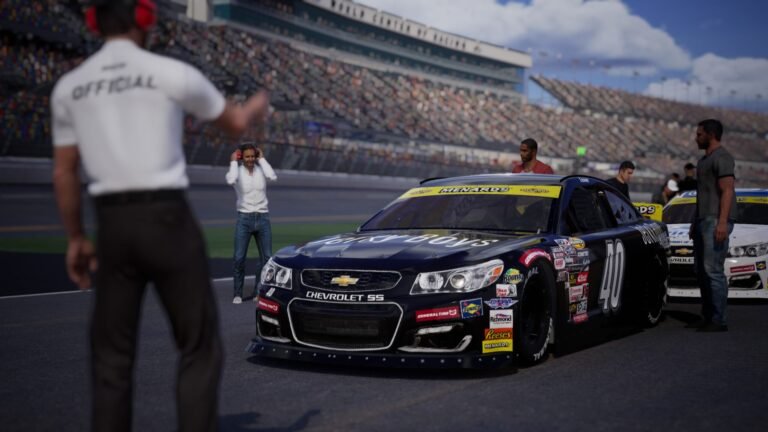
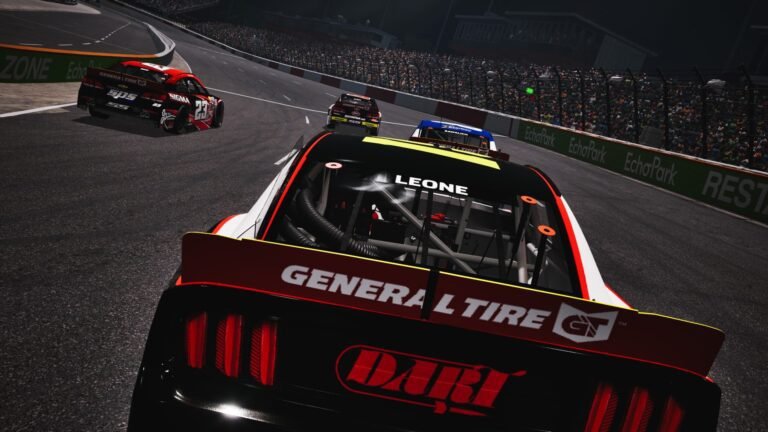
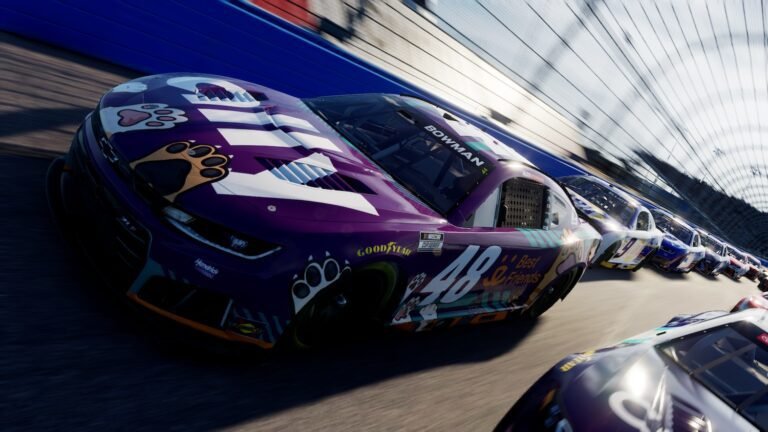
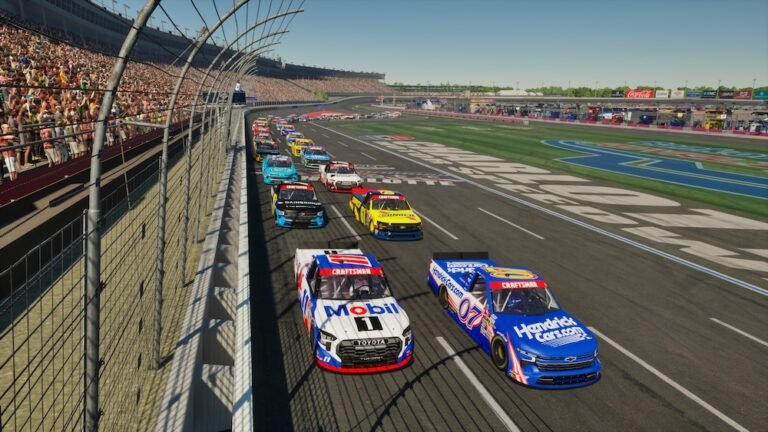
When asked what he was most proud of in N26, lead developer Matt Lewis went straight to the NASCAR 26 graphics. New particle system, new lighting, volumetric clouds, dynamic sun and cloud shadows during sessions, motion blur, and grime buildup on cars. He said content creators caught all of it from the trailer without him pointing it out. That was the reaction he was going for.
Also see:
▶ NASCAR 26 AMA: Everything Matt Lewis Told Us
▶ NASCAR 26 gameplay on YouTube
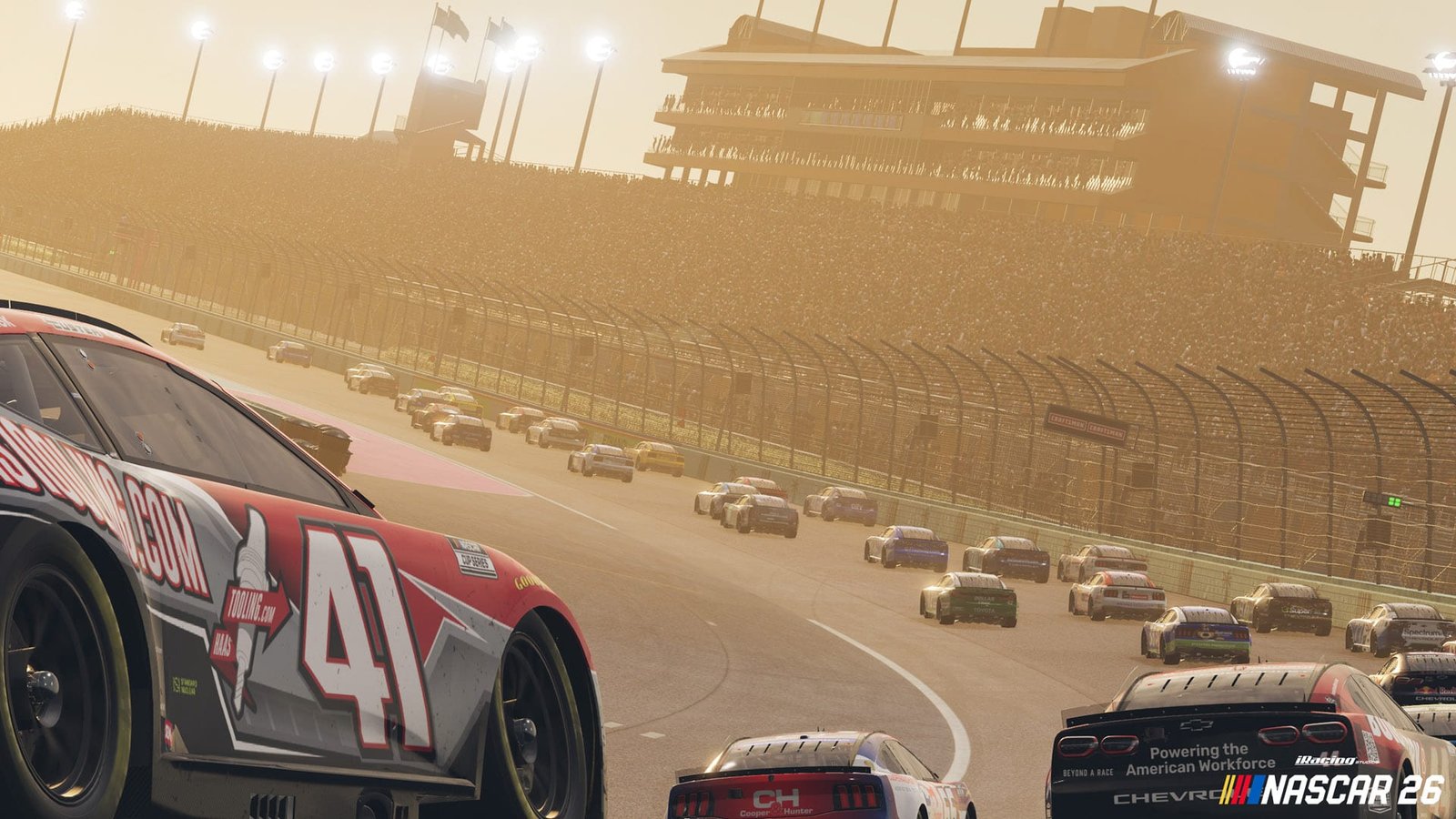
The volumetric clouds are the most technically interesting piece. Skyboxes in racing games have historically been flat 2D images with no depth or movement. NASCAR 26 is rendering clouds inside Unreal Engine as actual volumes, so as cloud banks move across the sky during a session, the sun actually goes behind them and the lighting on the track surface shifts in real time. Lewis described the effect as dramatic. A cloud rolling over during a long green flag run changes the feel of the session in a way you notice even when you’re not thinking about it.
Lewis mentioned Homestead at night as a specific place where the new lighting shows up clearly. The contrast between lit sections of the track and shadows makes the new system more visible at night races than it is in daylight. That’s worth checking when the game ships.
The new particle system shows up in two places: smoke from burnouts and incidents looks substantially better, and cars pick up grime over the course of a race. The grime detail sounds like a small thing but it does real work for immersion. After 100 laps, the cars look like they’ve done 100 laps.
Motion blur is also in. Lewis called it out specifically during the AMA. In a racing game, motion blur is one of the most effective tools for communicating speed, and if it’s tuned well it changes how fast the game feels before you even look at the speedometer.
Lewis addressed the common assumption that switching to Unreal Engine would automatically solve everything. It didn’t. Unreal is difficult to work with, and the transition itself cost time. However, the graphical capabilities it provides, including the volumetric cloud rendering and the advanced lighting system, weren’t available in the custom Unity builds the older NASCAR games ran on. The foundation is right for where this franchise is headed.