Superspeedway Timing: When to Push and When to Pass in NASCAR 25
Superspeedway races in NASCAR 25 are decided in the last ten laps. What you do before that determines whether you’re in position to win or watching it happen from four rows back.
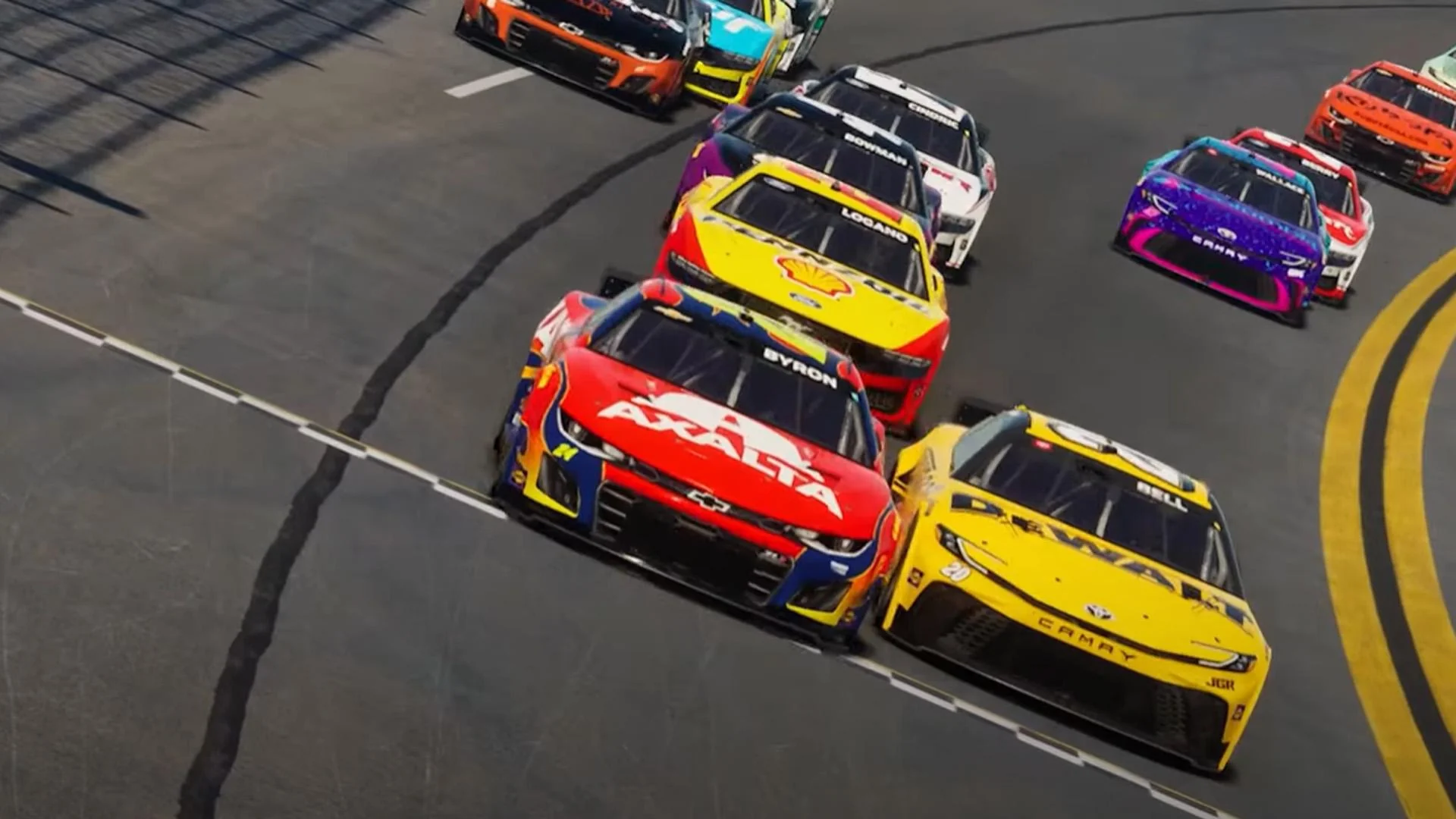
Drafting in NASCAR 25: How to Use It Without Getting Trapped
Fuel Windows and Caution Strategy in NASCAR 25
How to Build a Run and Set Up a Pass
The first seventy percent of a superspeedway race is about staying clean and staying patient. Don’t take unnecessary risks. Don’t blow through the field in lap twenty. Save your drafting partners and your energy for when the white flag is in sight.
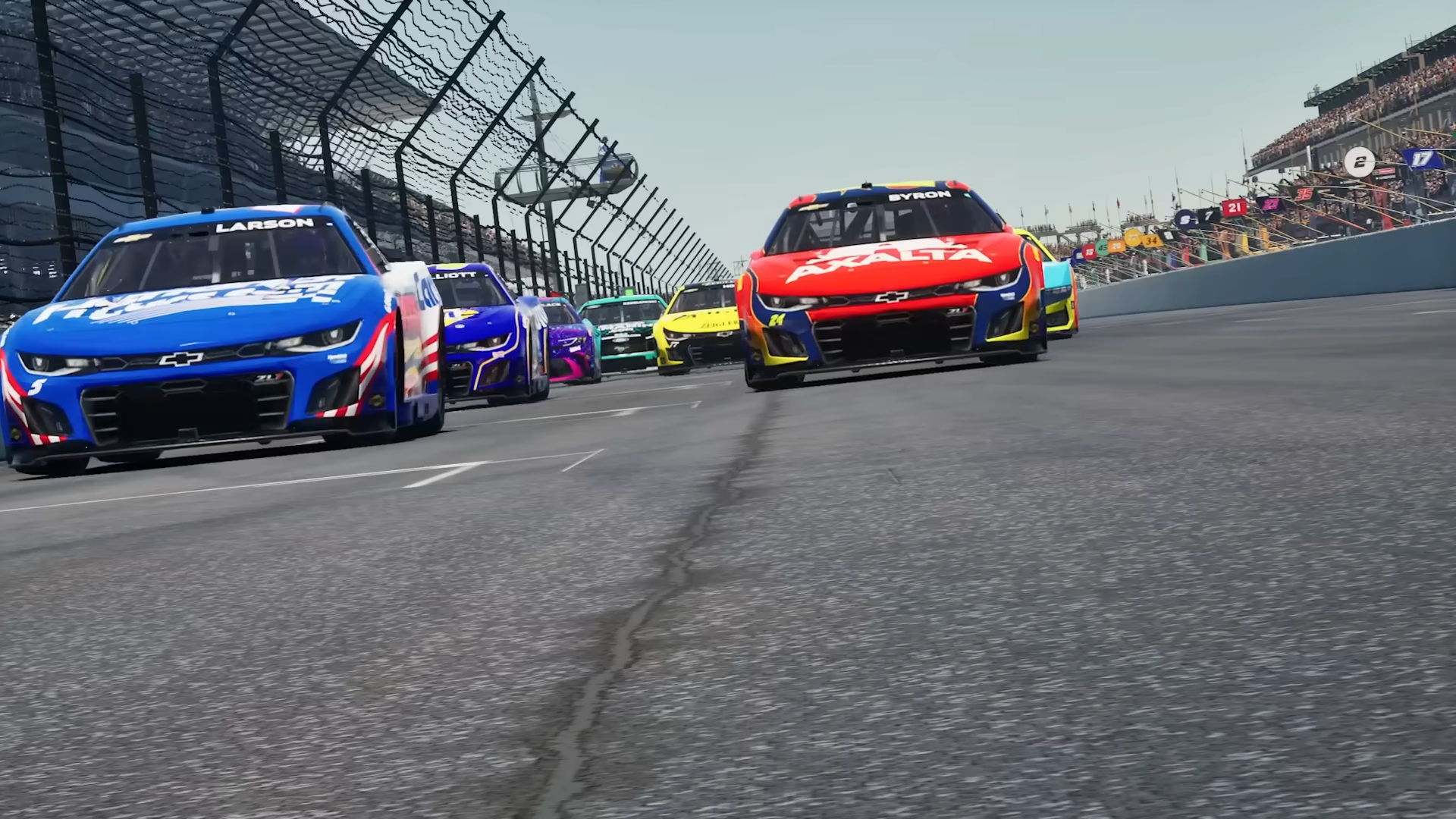
Position matters more at superspeedways than at any other track type. Ideally, you want to be inside the top ten with about fifteen laps to go. Being buried in the pack late means you’re multiple moves away from contention and those moves require help from cars that may not be racing for the same thing you are.
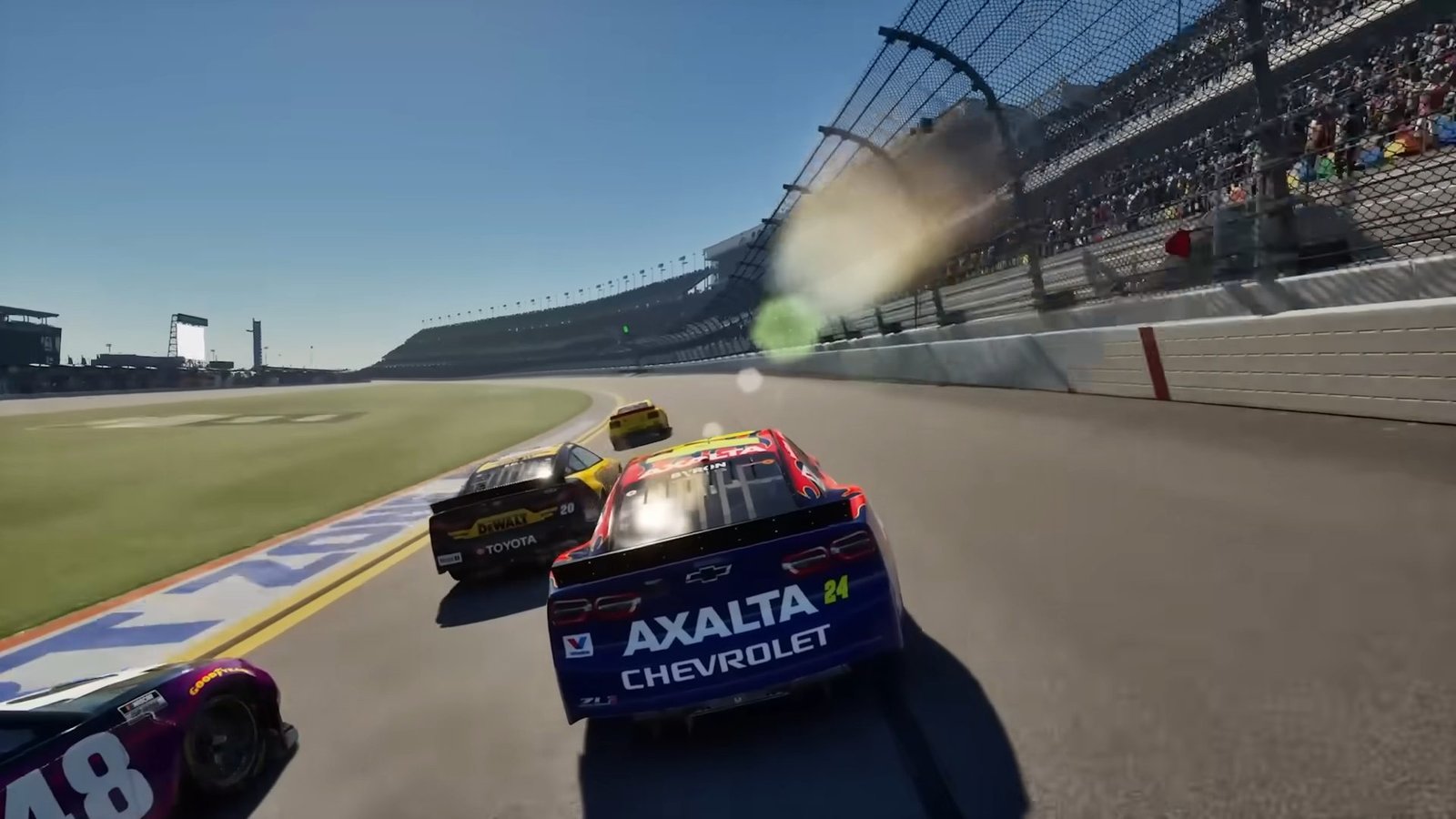
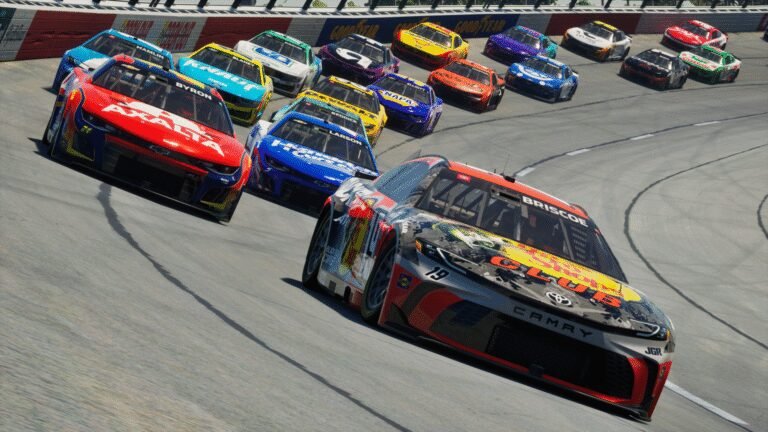
Know when the big one is coming. Superspeedway packs generate massive crashes in NASCAR 25. The most dangerous moments are restarts, the late stages of a run when the pack compresses, and any time multiple cars are running three wide. Give yourself an escape route. Don’t run bumper-to-bumper with the outside wall on your right.
In the final five laps, the race opens up. Teams start breaking from the line, drafting partners shift, and single-car moves become viable. This is when you push. Identify the car with the best run, draft off them as long as useful, and make your slingshot move on the last lap where it can’t be answered.
The checkered flag pass is the cleanest win at superspeedways. Get to the car you need to beat, draft until the final stretch, pull out just before the line. One clean move. Don’t do it in turn four.
Patience wins at superspeedways. Every lap before the final five is just setup.