NASCAR 26 Career Mode: Race Shop Guide
The NASCAR 26 Race Shop is the first major decision point in Career Mode. You can access it after completing your first ARCA race, and it stays open between events throughout the season. Here is a breakdown of each section so you are not guessing when you first land there.
Also see:
► NASCAR 26 Career Mode Getting Started: Your First Race and What to Expect
► Official Race Shop walkthrough on NASCAR26.com
What the NASCAR 26 Race Shop Is and When You Can Access It
The Race Shop opens right after your first ARCA race. It works as your team base between events. Everything tied to your car, your staff, and your sponsor deals runs through here.
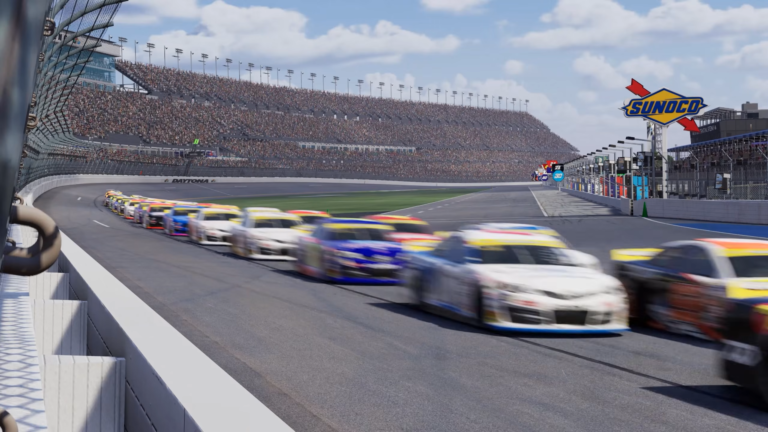
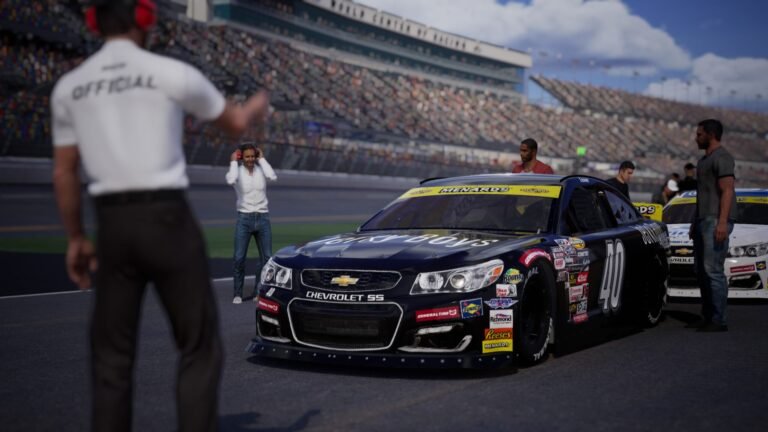
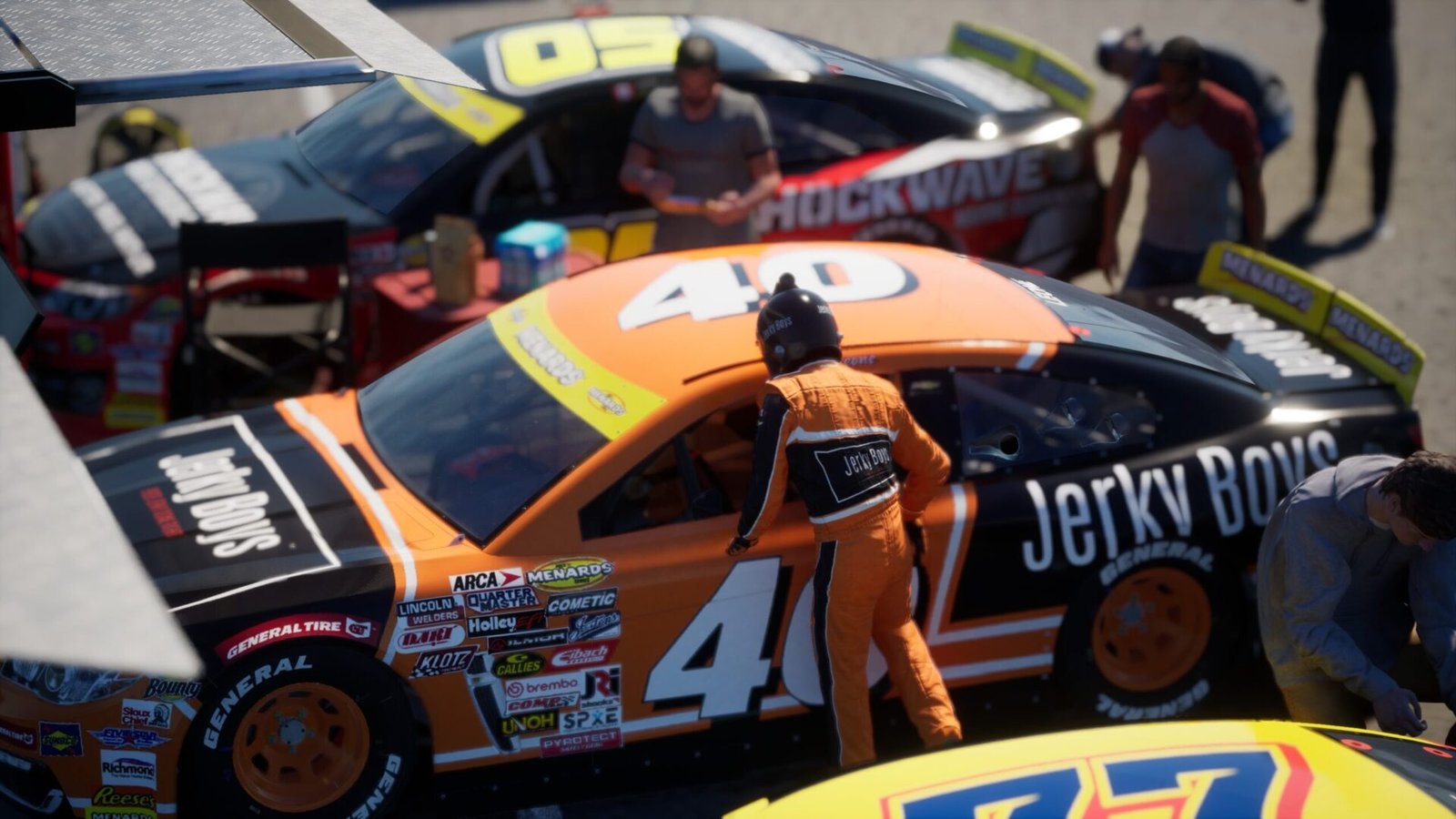
Your first visit comes before the General Tire 200 at Phoenix Raceway. The Jerky Boys Chevrolet just finished your opening race at Daytona, and now you need to prep it for a short track. That shift in venue is a useful test of the Race Shop because Phoenix calls for a completely different setup profile than Daytona. The two sides of Car Prep make sense the moment you walk through them.
You will not have access to every tab immediately. Some features are gated behind that first race, but the core upgrade sections are ready as soon as you get in. There is no rush to spend your starting credits before the next event locks in.
Car Prep: Garage vs. Parts
Car Prep is split into two tabs. The Garage tab handles setup adjustments you would make before a race, things like handling balance and gear ratios for the specific track. The Parts tab is where you spend upgrade credits on permanent performance improvements.
Parts upgrades cover engine, aero, chassis, and reliability. Upgrades come in tiers, and higher tiers cost more credits. Start with reliability if you are running full race distances. A mechanical DNF costs you points and wipes out any sponsor incentive payout you would have earned. An early DNF hurts more than a modest performance bump helps.
Gold Edition players receive an extra $10,000 to spend on parts from the start, which opens access to Level 3 upgrades earlier than Standard Edition players can reach them. Standard Edition players build toward those tiers across the first several races. Neither path locks you out of competitive performance early. The AI in the ARCA series scales to your upgrade level. A reliability-first strategy keeps you in contention on standard parts longer than you might expect.
Garage adjustments are free and carry no credit cost. Tweak them as much as you need before each race weekend. They do not roll over or lock between events.
NASCAR 26 Race Shop Staff: Crew Chief, Agent, Mechanics, and PR Manager
The Staff section has four hire slots. Each role covers a different part of your operation and stays active for the length of their contract.
Your Crew Chief improves in-race strategy calls and provides a percentage bonus to your Work Points. Work Points are what your mechanics spend to repair car damage between races. Because a better Crew Chief means those repairs go further without burning through your budget, hiring one early pays off over a full season. This benefit also compounds in long runs where strategy decisions stack across the final 50 laps.
Gold Edition players can hire VIP Crew Chiefs and Agents at no cost at the start of career. These VIP hires carry larger bonuses than standard tier options, so they give Gold Edition players a meaningful head start on the operational side. If you have the VIP slots available, fill them before spending on anything else in the Staff section.
The Agent handles contract negotiations and sponsor renewals. A better agent gets you more favorable terms when you move up series or renegotiate at year end. You can get through early ARCA without a top-rated agent, but upgrade the position before your first full Cup schedule hits.
Mechanics determine how fast your car recovers from damage and also generate Work Points each week. Each mechanic you hire adds to your weekly Work Point total. If you are running at Talladega or Daytona and taking regular door contact, the mechanics tier matters more than most players expect going in.
The PR Manager multiplies your sponsor incentive payouts. More on that below.
Staff contracts run for a set number of races, not a full calendar year. Check the length before you sign, especially late in a season when a short deal could expire in the middle of a playoff stretch.
How to Spend Your Starting Budget
Most players leave the first Race Shop visit with limited credits after buying parts and signing staff. Because of that, prioritizing becomes more important than optimizing.
The reliable play is to put reliability parts first, hire at least one Mechanic before locking in a contract, and sign a PR Manager as soon as the slot opens. The PR Manager’s payout multiplier applies across every race you run, so hiring one early repays the cost faster than sitting on the credits does.
Avoid spending everything on top-tier parts before you have any staff signed. A fast car with no support structure leaves money on the table with every sponsor incentive you collect at a reduced rate. Balance the spend instead of optimizing one side of the budget at the expense of the other.
Also note that you are not forced to spend everything in a single Race Shop visit. Credits carry between events, so if the current options are not worth the cost, hold until something better comes up in the next staff rotation.
Sponsor Incentives: Choose Before Every Race
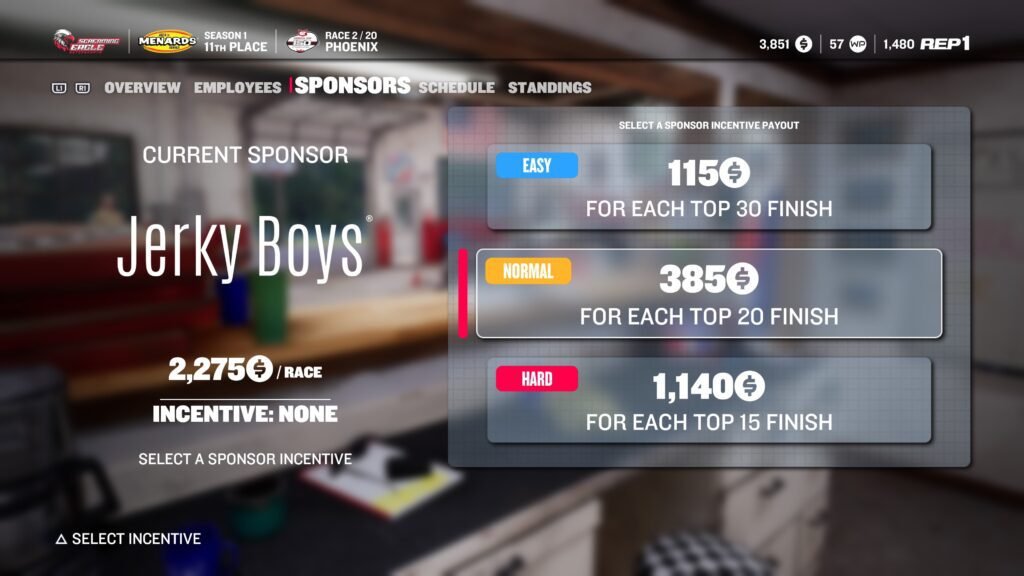
Before each race you pick one sponsor incentive from a rotating set of objectives. These are performance targets like finishing inside the top 10, leading laps, or completing a full distance without a DNF.
Your first incentive choice comes before Phoenix. The Jerky Boys are your opening sponsor, and they award bonus money on top of your base weekly contract. Therefore, the incentive you skip at Phoenix is money you do not get back. Always make a selection, even if the targets look difficult.
The credit payout scales with difficulty. Easy objectives pay less. A hard objective like leading 25 laps at a superspeedway pays noticeably more if you complete it.
Your PR Manager’s tier multiplies the base payout on every completed incentive. Even a mid-tier hire makes a real difference across a full season of races when those bonuses stack up.
Incentives are not locked in at the start of a season. They refresh each race weekend, so you can look at the track, consider your setup, and pick an objective that fits what you are actually capable of running that weekend. Short tracks like Phoenix favor top-10 finish targets. Superspeedways open up laps-led objectives if you are comfortable drafting at the front.
Team Customization and Trophies
Team Customization is the cosmetic section of the Race Shop. Your number, paint scheme, team name, firesuit, and helmet all live here. None of it affects performance.
Set this up before your first Cup race if you plan to stream or share clips. Your livery shows up in broadcast angles throughout the season, and it is easier to sort out before you are mid-schedule than to patch it in later.
Trophies are also tracked inside this section. They represent completed season and career achievements rather than anything functional. Check back after race weekends to see what has been added to the case. The collection builds across a full career, so do not expect much there until the schedule extends beyond ARCA.