NASCAR 26 Daytona Driving Guide
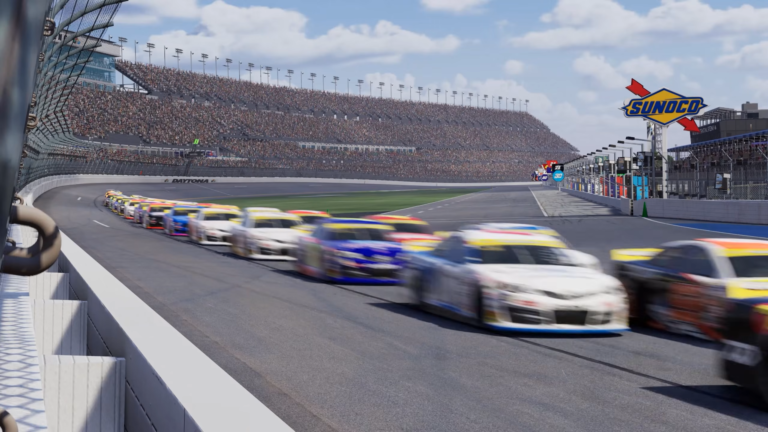
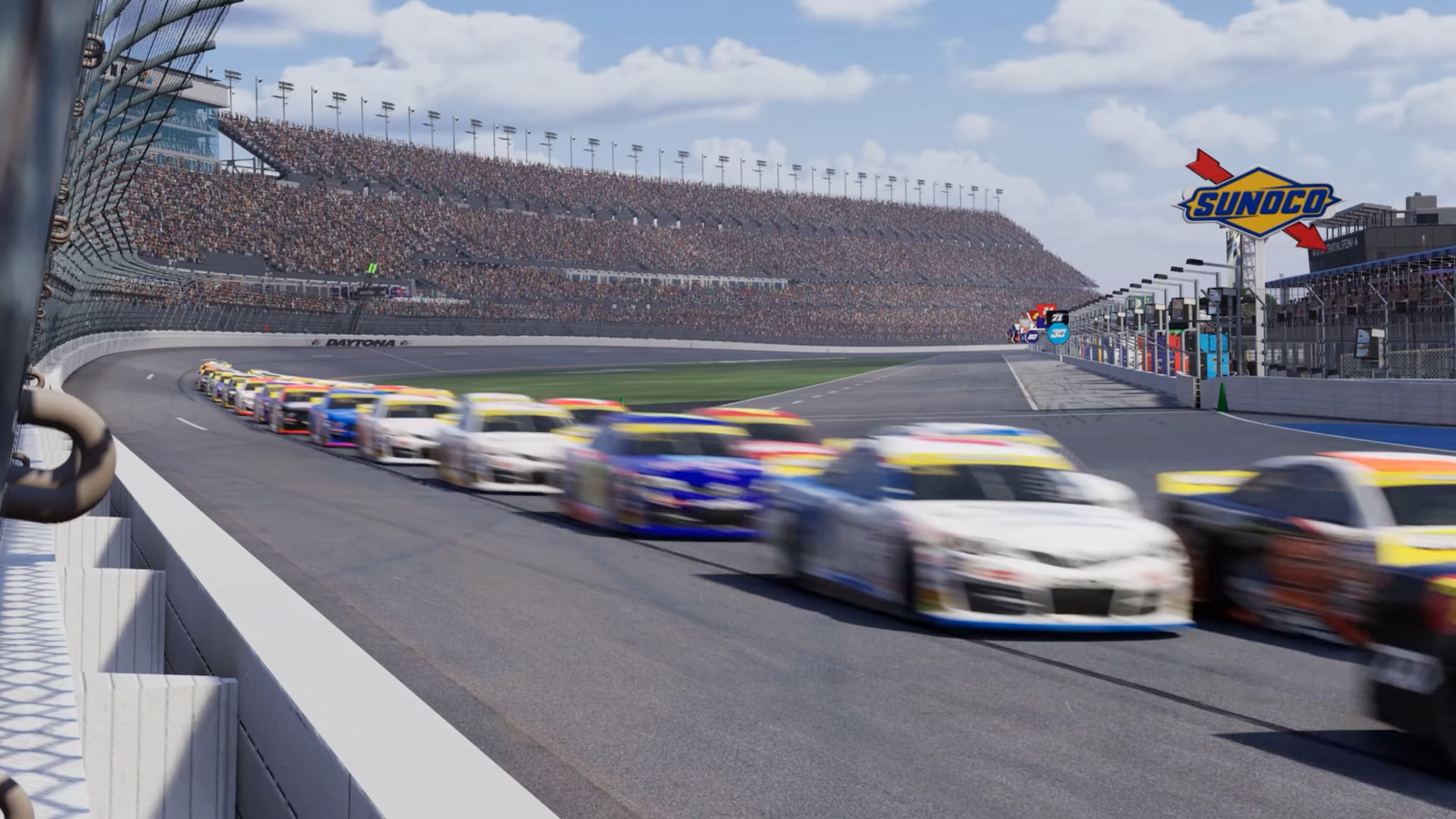
Driving Daytona in NASCAR 26 is unlike any other track in the game. There is no braking, no shifting, and almost no steering compared to a road course. What there is: the draft, the pack, and the constant calculation of where to be and when.
Also See: NASCAR 26 Daytona Strategy Guide | Can I Master the Draft? Daytona Prep
The Basics: Flat Out, All Lap
In Cup cars at Daytona, you do not lift. The 31-degree banking carries the car through the turns at full throttle. Your steering inputs are small: a little left through the turns, a little right on the straights to stay in the draft. If you are turning the wheel more than a few degrees, something is wrong.
Trucks and ARCA cars are slightly different. They have less downforce and less power, so the draft matters even more and the cars move around more in traffic. The fundamentals are the same, but you will feel the air more.
Working the Draft
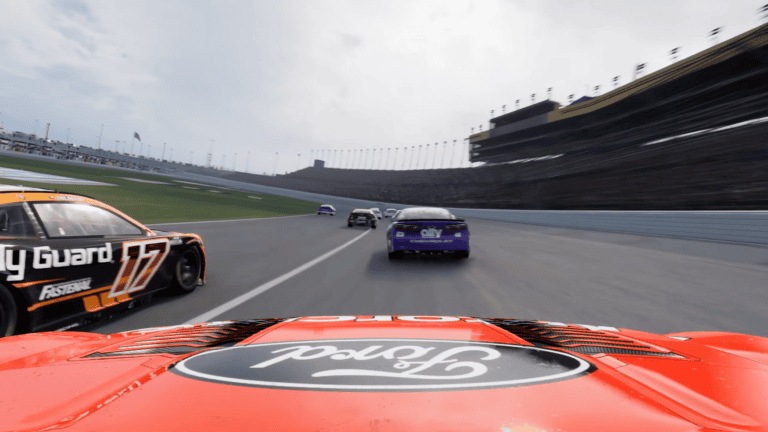
The draft is your engine at Daytona. Here is how it works in NASCAR 26.
The lead car punches a hole in the air. It is the slowest car on track by itself.
The second car gets the biggest benefit. Tucked right on the leader’s bumper, it gains speed from the reduced drag.
The third car back gets less benefit than the second, and so on down the line.
Side drafting (running alongside another car, slightly offset) disrupts their air and slows them while barely affecting you. Use it to stall a competitor or break up a pair working against you.
To go fast: get behind someone fast and stay there. To pass: get a run (a speed advantage from the draft), pull out at the right moment, and clear them before the next turn.
Lane Choice
Daytona’s tri-oval gives you three lanes, and each has a personality.
Bottom lane: Shortest distance, most crowded. Good for defending, bad for advancing. The pack compresses here on restarts.
Middle lane: The compromise. Often the fastest line when the pack is single-file, because you carry momentum without the extra distance of the top.
Top lane: Longest way around, but the momentum lane. If you have a partner and a run, the top is where you make the pass. Risk: you are exposed, and if the pack stacks up below you, you get hung out.
The fast line changes with the pack. Watch where the leaders run and follow, but be ready to go where they are not when the opportunity opens.
Restarts
Restarts at Daytona are chaos organized by bravery. The field bunches up, everyone wants the lead, and the first two laps after a restart are the most dangerous.
Your job on a restart: pick a lane early, commit to it, and find a partner. Do not swerve between lanes looking for a better spot. That is how wrecks start. Get in line, get a push, and sort it out over the next five laps.
Avoiding Wrecks
You cannot avoid every wreck at Daytona, but you can avoid most of them.
- Stay out of the middle of three-wide packs. The middle car always loses.
- Watch ahead, not just the bumper in front of you. If you see smoke or a car turning sideways three rows up, start checking up now.
- Have an escape plan. Always know which way you will go if the car ahead wrecks: inside or outside. If you do not have an escape route, you are in the wrong position.
- Do not overcorrect. When the car gets loose in the draft, small corrections. Big steering inputs at 200 mph end badly.
Practice Drill
Run 20 laps in practice with one goal: stay within one second of the car ahead without touching them. This teaches you throttle control in the draft, which is the single most important Daytona skill. Once you can do that, practice side drafting: run next to a car and feel how it affects both of you. These two skills win Daytona races.